Human-in-the-Loop Controls for High-Stakes Agent Actions
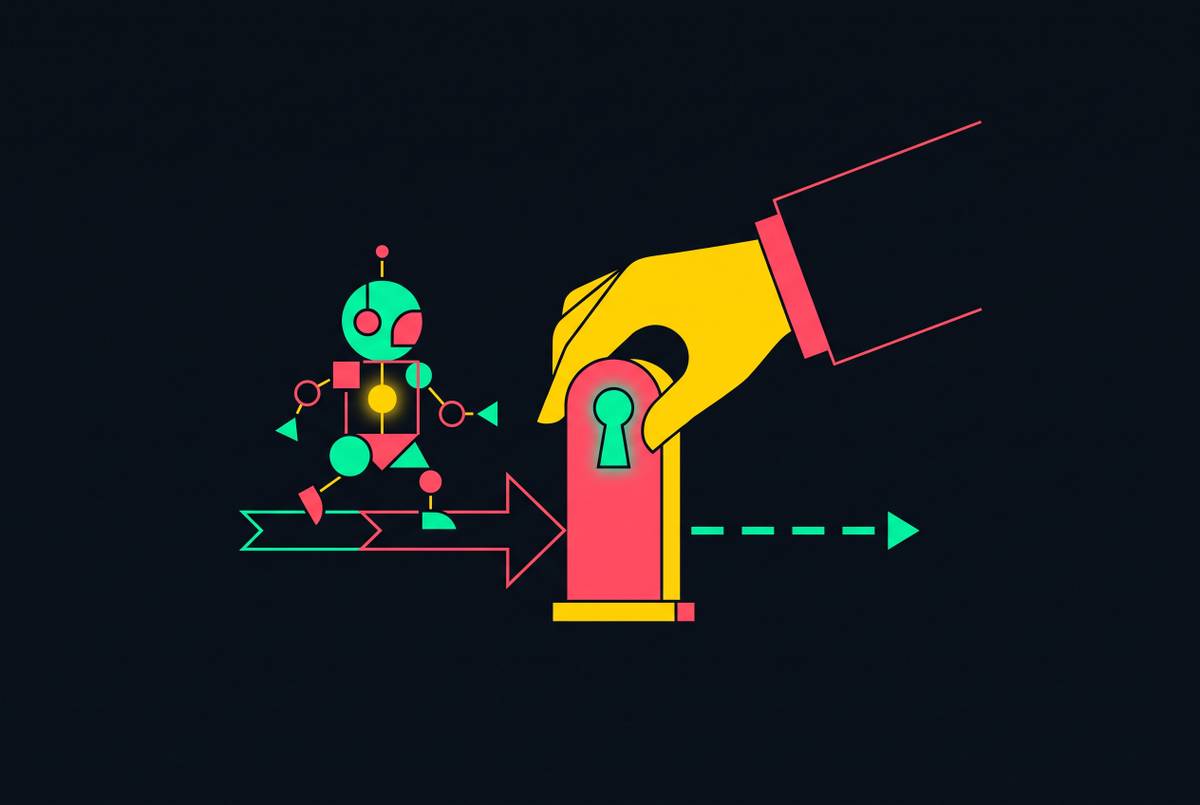
Blocking every action defeats autonomy; approving all defeats governance.
Madeleine Truchon
Contributing Editor, Secure Development
Madeleine Truchon holds an academic background in programming-language theory and spent several years auditing supply chains for open-source foundations before joining Threat Intel Review. She writes about how engineering choices made early in the software lifecycle shape an agent's attack surface at deployment.
10 stories
Blocking every action defeats autonomy; approving all defeats governance.
Security teams need new playbooks because AI agent compromises leave no binary signatures to patch.
Protocol leaves three security gaps; a new benchmark fills them.
Separating credential storage from agent execution prevents exploitation through compromised tokens.
Agents need security gates based on runtime behavior, not configuration checklists.
Unproven findings mask real agent security risks that legacy frameworks cannot see.
Isolated twin environments catch multi-layer attacks that point-in-time testing structurally misses.
Agents expose attackers to trust boundaries that form at runtime, not design time.
Attackers map AI agents' capabilities, memory, and boundaries before exploiting them.
MCP servers can inject malicious instructions through tool metadata before any tool runs.