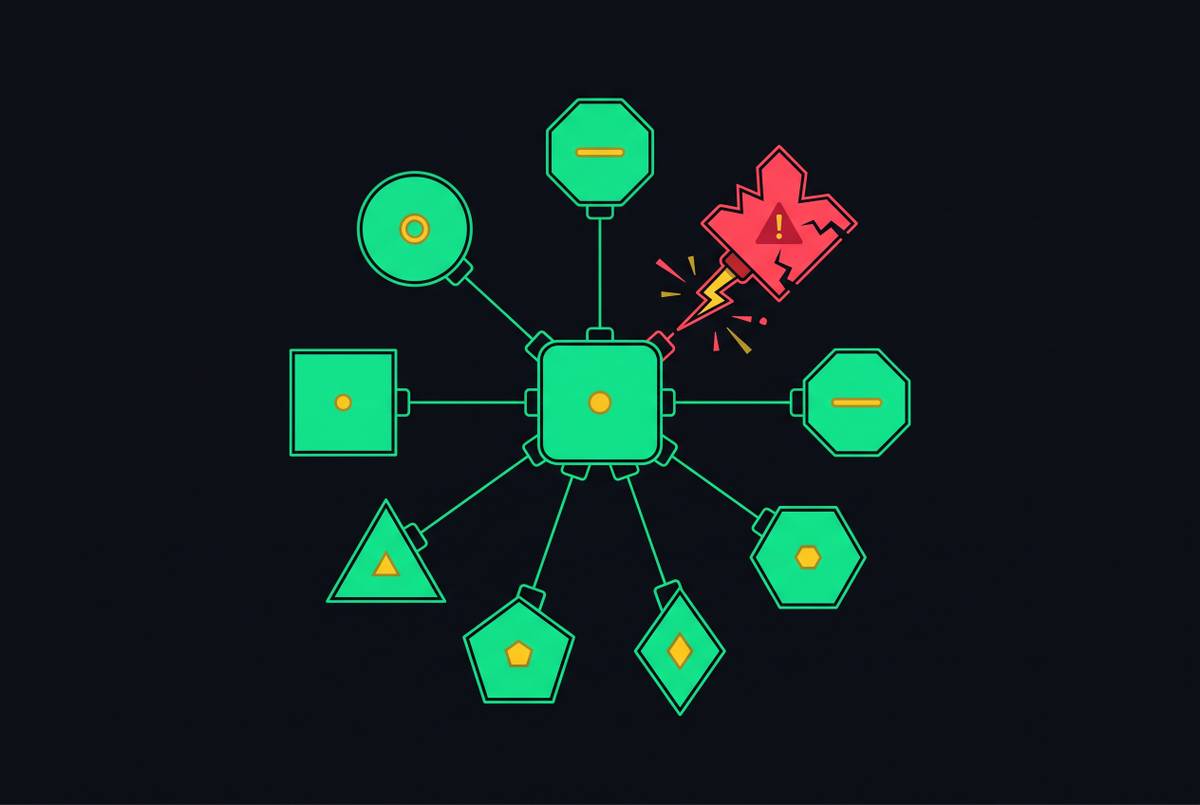
STRIDE Threat Model Applied to AI Agent Tool Interfaces
AI agents collapse STRIDE's trusted boundaries, requiring new threat models.
Kieran Voss-Nakamura
Staff Reporter, Threat Platforms
Kieran Voss-Nakamura cut his teeth covering enterprise security for a trade publication during the early cloud-adoption wave and has since specialized in the infrastructure and tooling that attackers use to coordinate campaigns against agent-based systems. He maintains a widely cited open-source tracker of emerging threat-platform tactics.
12 stories
AI agents collapse STRIDE's trusted boundaries, requiring new threat models.
AI agents in threat intelligence now execute actions autonomously.
Attackers are injecting malicious instructions into threat signals produced by AI agents.
AI agents expand their attack surface in real time, outpacing traditional threat-hunting playbooks.
Security teams lack tools to see AI agents' runtime behavior changes.
Tracking where agent actions originate stops harmful tool chains before they cascade.
Static pentesting tools miss the real threats in AI agents.
Both red teaming and continuous verification are required, not alternatives.
Security controls can silently break legitimate workflows that agents were approved to run.
Tool definitions stay mutable after approval, turning runtime trust into a security vulnerability.
Attackers exploit agentic systems by embedding malicious instructions in content agents retrieve.
Threat intelligence platforms stop attacks before they land, not after.